
Aquatonomy's autonomous underwater vehicles capture comprehensive sonar and camera data in complex, GPS-denied environments to construct measurement-grade 3D models for inspection, issue tracking, and maintenance decisions.
Field tested across infrastructure and U.S. Navy and Coast Guard fleets
5× faster underwater data collection through repeatable, automated deployments
No downtime for applicable inspections
Zero-visibility capable autonomous operation
17+ years of underwater autonomy and mapping innovation




Divers and piloted ROVs perform essential work, but poor visibility, difficult access, and limited spatial context make comprehensive, repeatable inspections challenging. Asset owners are often left with isolated images, subjective observations, and no reliable way to compare conditions over time.
Turbidity and darkness can reduce visibility to inches, making it difficult to understand the condition of an entire structure.
GPS does not work underwater. Complex geometry, confined spaces, and current make consistent coverage difficult.
Images and observations collected during separate inspections are rarely registered to the same asset geometry, limiting change detection and long-term condition monitoring.
How Aquatonomy works
Aquatonomy combines autonomous robotics, real-time mapping, measurement-grade digital twins, and AI-assisted analysis in one inspection platform.
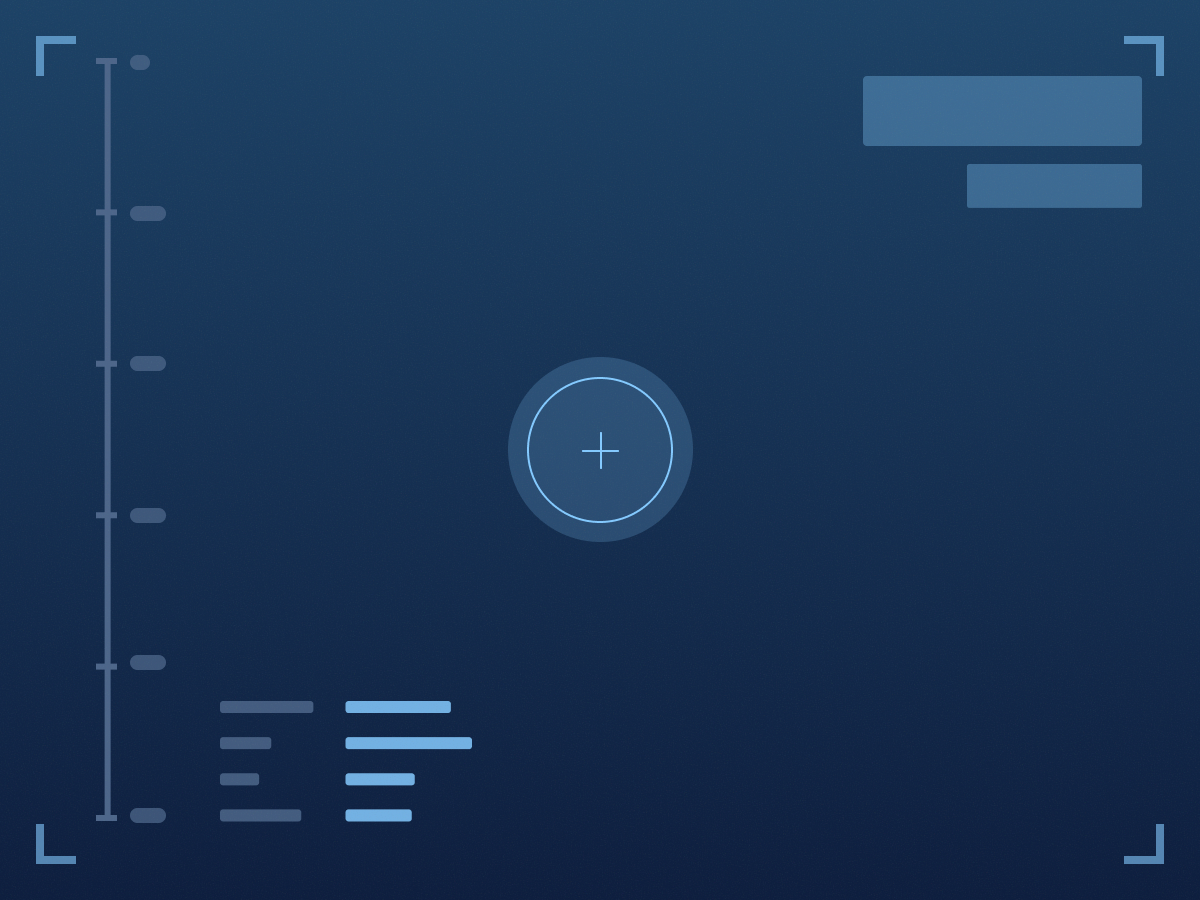
Autonomous vehicles navigate GPS-denied, low- and zero-visibility environments while collecting sonar, camera, and other sensor data.
Safer operations
Less downtime
Zero-visibility capable
100% coverage
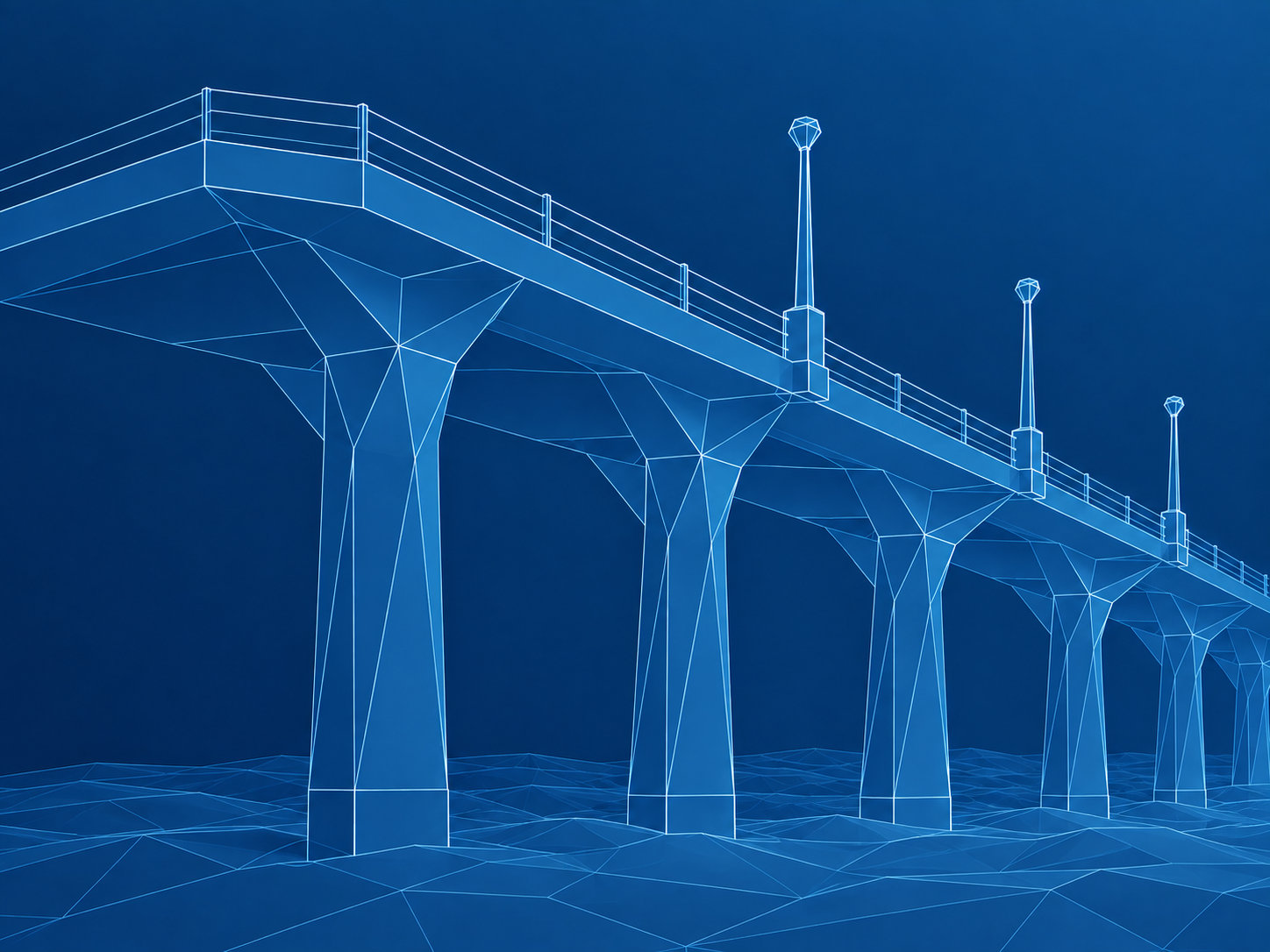
The data is fused into high-resolution 3D models that engineers can inspect, measure, annotate, and export.
Trusted accuracy
Measurement-grade data
Geo-referenced
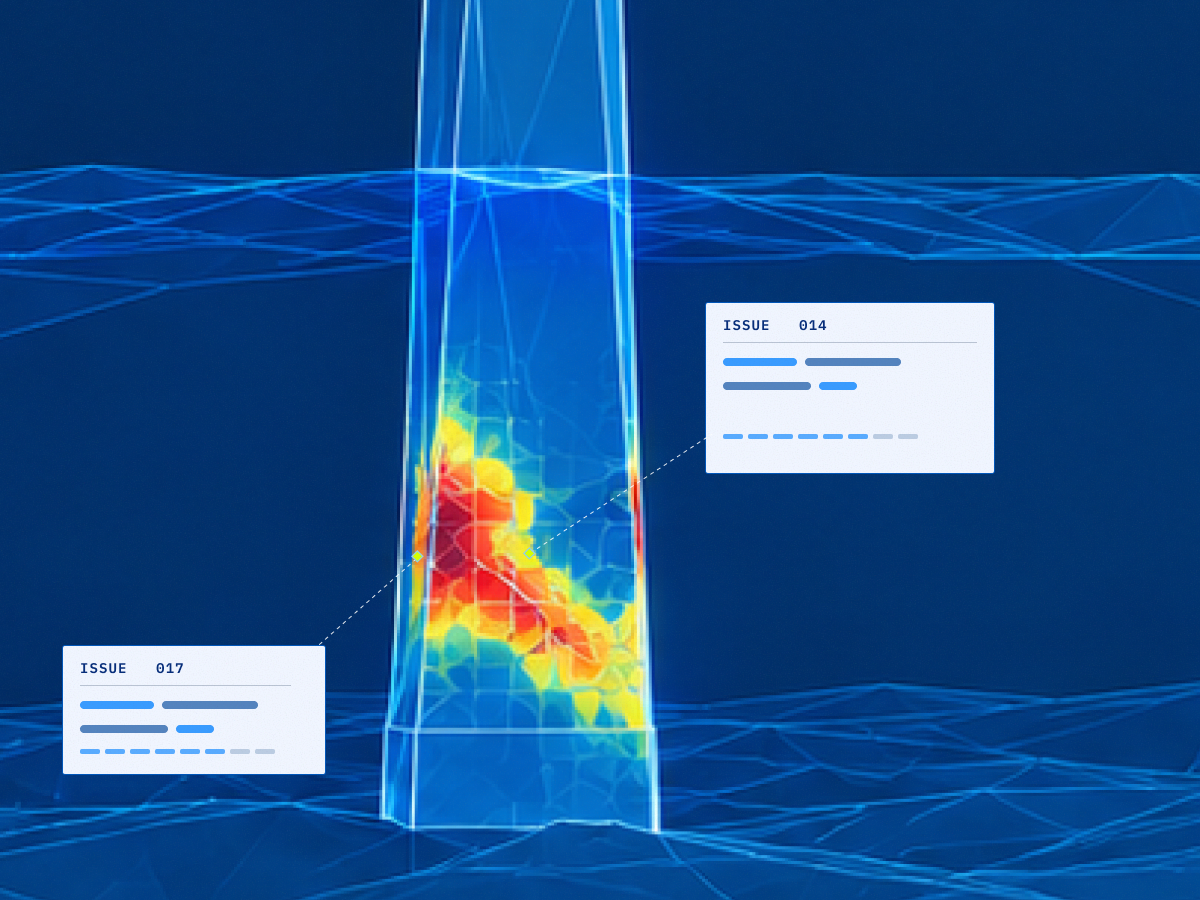
Issues are identified within the 3D model, organized for review, and compared across repeat inspections to show condition changes over time.
Early detection
Proactive maintenance
Smarter planning
The benefit
Complete inspections faster with less disruption
Reduce diver exposure to hazardous or confined environments
Verify coverage while the robot is still in the water
View submerged assets in complete 3D context
Measure features and localize visible issues
Connect imagery, observations, and annotations to asset geometry
Establish an objective baseline
Repeat inspection routes and compare results
Support targeted maintenance and capital planning
Inspect piers, piles, quay walls, bulkheads, jetties, breakwaters, and other waterfront structures.
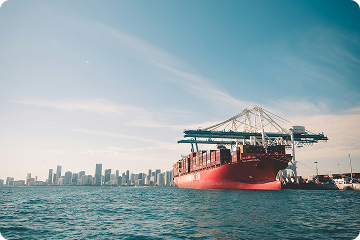
Assess hulls, ballast tanks, sea chests, and other difficult-to-access areas to support maintenance and dry-dock planning.
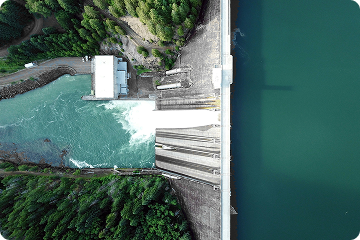
Map gates, intakes, spillways, lock chambers, culverts, and submerged structural components with less operational disruption.

Support harbor security, underwater searches, battle-damage assessment, and search-and-recovery operations in low visibility.
Why Aquatonomy
Aquatonomy combines GPS-denied autonomy, live 3D mapping, multi-sensor data fusion, precise revisit, and longitudinal analysis in one platform. Customers receive decision-ready information—not simply a robot, raw sonar files, or disconnected inspection images.
Autonomous navigation
Access the hardest-to-reach parts of your assets with minimal downtime.
Real-time mapping
Know exactly what's been inspected so you don't have to come back.
3D digital twins
3D data and comprehensive coverage in any visibility conditions—accurate enough to base decisions on.
Change tracking
Catch changes early by comparing every inspection to the last, connecting with asset portfolio and capital management goals.
Aquatonomy is a Pittsburgh-based marine robotics company built on more than 17 years of autonomy, perception, localization, and mapping innovation at Carnegie Mellon University, MIT, and the University of Michigan. Related technology has supported systems operating on the International Space Station, lunar rovers, aircraft, land vehicles, vessels, and underwater vehicles.
Tell us about your inspection challenge. We will help assess the site, identify the right data-collection approach, and define a practical first deployment.